


-

Add: HeBei ShengShi HongBang Cellulose Technology CO.,LTD.
-

Email
13180486930@163.com -

CONTACT US
+86 13180486930



When we think of wood, we often focus on its structural properties, such as strength and durability. But did you know that much of that strength comes from its composition, specifically cellulose? Cellulose made from wood is the key material that allows wood to hold its form and function effectively in countless applications. Understanding its components— cellulose , hemicellulose , and lignin —helps to explain the unique properties of wood that make it an essential resource for industries ranging from construction to manufacturing. Fibre Made from Wood Pulp Wood pulp, a primary source of cellulose , is the base material used in the production of many everyday products, including paper, textiles, and construction materials. Fibre made from wood pulp is rich in cellulose, which is extracted from the wood through various chemical and mechanical processes. This fibre, once processed, has diverse applications in industries such as packaging, paper-making, and even the production of insulation materials for buildings. The purity and strength of cellulose from wood make it a critical material in the manufacturing of fibreboard, composite wood panels, and other building materials used in construction. Wood pulp fibre is processed using various methods, including chemical pulping or mechanical grinding. This process removes the non-cellulose components of wood, such as lignin and hemicellulose, which are less useful in certain applications. The resulting cellulose fibres can be refined and used to create products with enhanced durability, ideal for use in the construction industry. The strength, stability, and biodegradability of wood pulp fibres make them an environmentally sustainable choice for manufacturers looking for natural materials in their production processes. Cellulose, Hemicellulose, and Lignin in Wood Wood is composed of three main components: cellulose , hemicellulose , and lignin . Understanding these components is key to unlocking the potential of wood in construction and manufacturing. Cellulose is the most abundant organic polymer in nature, providing strength and rigidity to the cell walls of plants. It is the primary component used in the creation of fibre and pulp for products such as paper and insulation. Hemicellulose is another important polysaccharide found in wood. It acts as a binding agent that holds cellulose fibres together. Although it’s not as structurally strong as cellulose, it plays a critical role in the overall integrity of the wood. In construction, hemicellulose can be broken down and processed to create biofuels or other valuable materials. Lignin , on the other hand, is a complex polymer that gives wood its hardness and resistance to decay. It acts like glue that holds the cellulose fibres together, giving the wood its rigidity and strength. In the construction industry, lignin is valuable for its ability to withstand weathering and physical wear, making it an essential component of high-quality timber. Together, these three components— cellulose , hemicellulose , and lignin —create the natural strength and versatility that makes wood such an important material for a variety of applications. Cellulose Wood Putty Another interesting application of cellulose from wood is in the production of cellulose wood putty . This product, used in construction and home improvement, is a type of filler used to repair and smooth wood surfaces. Cellulose wood putty is made by processing cellulose into a fine, putty-like consistency that can fill in cracks, holes, and imperfections in wooden structures. Its primary advantage is its ability to bond well with wood, providing a seamless repair that blends naturally with the surrounding material. Unlike traditional putties, which may rely on synthetic polymers or resins, cellulose wood putty is made from natural materials, making it an eco-friendly choice for homeowners and builders alike. It is particularly useful in restoring old furniture, wooden floors, or construction beams, where maintaining the wood’s natural appearance and texture is essential. The cellulose wood putty hardens over time, creating a durable and long-lasting repair. The versatility of cellulose in various forms, from raw pulp to putty, showcases the remarkable adaptability of this material in the construction and woodworking industries. The Versatility of Cellulose in Construction The uses of cellulose made from wood extend far beyond just fibre and putty. In the construction industry, cellulose is increasingly being used in the creation of sustainable building materials. From insulation to composite boards, cellulose is known for its insulating properties, helping to reduce energy consumption in buildings. Cellulose insulation is a popular choice for eco-conscious builders, as it is made from recycled paper products and wood fibres, offering a natural alternative to foam or fiberglass insulation. Additionally, the growing trend of sustainable construction has led to the development of cellulose-based biocomposites , which combine cellulose with other materials like bioplastics to create eco-friendly alternatives to traditional building materials. These materials are not only strong but also lightweight, reducing the overall energy footprint of construction projects. Applications of Cellulose in the Modern Building Industry In the modern building industry, cellulose from wood plays a significant role in improving the sustainability and performance of construction materials. From providing insulation to enhancing the structural integrity of wooden beams and panels, cellulose has a wide range of applications in both residential and commercial construction. Wood-based cellulose products offer an environmentally responsible alternative to petroleum-based materials, helping to reduce the environmental impact of construction projects. Builders and architects are increasingly incorporating cellulose wood putty , wood pulp fibre , and other cellulose-based products into their designs. The material’s renewable nature, biodegradability, and strength make it ideal for use in everything from floors and walls to roofs and insulation. As the demand for sustainable construction grows, the use of cellulose made from wood will continue to expand, offering innovative solutions that benefit both builders and the environment. Cellulose FAQs What is cellulose made of in wood? Cellulose is a natural polymer made of long chains of glucose molecules. It is the primary structural component of plant cell walls and is responsible for the rigidity and strength of wood. How is cellulose used in the construction industry? In construction, cellulose is used in insulation, composite materials, and cellulose wood putty . It helps improve the sustainability and energy efficiency of buildings by providing natural insulation and repair materials. What is cellulose wood putty? Cellulose wood putty is a natural, eco-friendly filler made from cellulose . It is used to fill holes, cracks, and imperfections in wooden surfaces, providing a seamless and durable repair. Can cellulose be used for insulation? Yes, cellulose is commonly used as an insulation material in homes and commercial buildings. It is made from recycled paper and wood fibres, offering a sustainable and effective alternative to synthetic insulation. Why is cellulose considered eco-friendly? Cellulose is a renewable resource that comes from wood and plants. It is biodegradable, making it an environmentally friendly option for a variety of products, including construction materials, insulation, and putties. Invest in high-quality cellulose wood products today for sustainable building solutions that offer strength, durability, and eco-friendly benefits. Visit our website to explore our wide range of cellulose-based materials, from cellulose wood putty to wood pulp fibre , and discover how they can enhance your next project.
- 40000tons

Production
- 20+years

Experience
- 5000+㎡

Acreage

-

Navigating the ever-evolving world of skincare ingredients, one might stumble upon hydroxypropyl starch phosphate, a seemingly esoteric compound that has quietly begun to revolutionize the beauty industry. Often overshadowed by more market-friendly terms such as hyaluronic acid or niacinamide, hydroxypropyl starch phosphate offers unique properties that provide tangible benefits for skin health and beauty. The purpose of this exploration is to uncover its secret potential, establishing its rightful place among trusted skincare resources. Hydroxypropyl starch phosphate , a modified starch, is derived from naturally occurring corn or potato starch. Through chemical processes, this starch undergoes modification to become more functionally versatile, displaying excellent stability and compatibility with a wide range of cosmetic formulations. Starch, a known polysaccharide, is selected for transformation due to its pristine texture, sustainable production, and high dermal compatibility. The resultant compound serves as a thickening agent and stabilizer, contributing to a better product feel and extended shelf life. From a professional perspective, this ingredient's most remarkable feature is its ability to improve the sensorial aspect of cosmetic formulations. Thanks to its molecular structure, formulations incorporating hydroxypropyl starch phosphate provide a silky, smooth texture without any residual stickiness or tackiness. This characteristic is invaluable not only to formulators looking to enhance user experience but also to end-users who desire a luxurious application feeling. hydroxypropyl starch phosphate for skin Digging deeper into the expertise domain within cosmetic sciences, hydroxypropyl starch phosphate enhances the appearance and functionality balance in cosmetic products. It protects and hydrates the skin by forming a breathable barrier on the surface. This non-occlusive shield allows the skin to maintain moisture while protecting it from environmental stressors. Moreover, the presence of this ingredient boosts the efficacy and delivery of active ingredients. By improving formulation texture, active agents like antioxidants or vitamins do not face barrier challenges, ensuring they effectively reach skin tissues. The authority of hydroxypropyl starch phosphate lies in its growing acceptance in dermatology circles and its benefits validated by empirical evidence. Clinical studies emphasize its hypoallergenic nature, making it suitable for sensitive skin types—a major advantage for those facing notable skin reactions from other thickening agents. Its non-irritating profile
-
Le Polypropylène Un Acteur Clé dans l'Industrie des Matériaux Le polypropylène, un polymère thermoplastique issu de la polymérisation du propylène, est devenu un matériau incontournable dans diverses industries. Il est largement utilisé en raison de sa polyvalence, de sa légèreté, et de sa résistance aux produits chimiques. Son utilisation s'étend des emballages aux textiles, en passant par les composants automobiles et les biens de consommation. Propriétés du Polypropylène Le polypropylène se distingue par plusieurs propriétés qui en font un choix privilégié pour de nombreuses applications. Tout d'abord, ce matériau est exceptionnellement résistant à la chaleur, ce qui le rend adapté à des environnements où d'autres plastiques pourraient fondre ou se déformer. De plus, il présente une excellente résistance aux chocs, une durabilité qui lui permet de résister à un usage intensif, et il est également imperméable à l'eau, ce qui le rend utile pour les produits ayant des besoins de résistance à l'humidité. Une autre caractéristique remarquable du polypropylène est sa légèreté. Cela permet de réduire le poids des produits finaux, ce qui est particulièrement avantageux dans l'industrie automobile où chaque kilogramme économisé peut améliorer l'efficacité énergétique des véhicules. Enfin, le polypropylène est recyclable, ce qui est essentiel dans une époque où la durabilité et la réduction des déchets sont des préoccupations majeures. Applications du Polypropylène produsen serat polipropilen Les applications du polypropylène sont vastes et variées. Dans le secteur de l'emballage, par exemple, il est utilisé pour fabriquer des films d'emballage, des containers et des bouteilles en plastique. Sa résistance à l'humidité et aux produits chimiques le rend idéal pour les matériaux d'emballage alimentaires, contribuant ainsi à prolonger la durée de conservation des produits. Dans l'industrie textile, le polypropylène est utilisé pour fabriquer des non-tissés, des vêtements, et des tapis. Sa capacité à être teint et à conserver sa forme en fait un choix idéal dans la mode et le design d'intérieur. De plus, dans le secteur automobile, le polypropylène est utilisé pour des pièces intérieures, des panneaux de porte et des composants structuraux, offrant une combinaison de légèreté et de robustesse. Avantages Environnementaux L'un des avantages les plus significatifs du polypropylène est sa recyclabilité. De nombreux pays ont mis en place des systèmes de collecte pour encourager le recyclage des plastiques, y compris le polypropylène. En repensant notre approche de l'utilisation des plastiques, nous pouvons contribuer à la réduction des déchets plastiques dans les décharges. De nombreuses entreprises se tournent vers des matériaux recyclés pour produire de nouveaux produits en polypropylène, favorisant ainsi une économie circulaire. Conclusion En somme, le polypropylène représente un matériau essentiel dans le monde moderne. Sa combinaison unique de propriétés, sa légèreté, sa résistance et sa recyclabilité en font un choix idéal pour une multitude d'applications. Alors que le monde continue de se concentrer sur la durabilité et l'innovation, le polypropylène est bien positionné pour jouer un rôle de leader dans le développement de solutions matérielles durables et efficaces. L'avenir du polypropylène semble prometteur, tant pour les producteurs que pour les consommateurs, dans un monde où les choix de matériaux durables sont de plus en plus déterminants.
advantages
-

200000 Viscosities
Excellent product
We can produce pure products up to 200,000 viscosities
-

40000 tons
High yield
We don’t stop production all year round, and the annual output can reach 40,000 tons
-

24 hours
Quality service
We provide 24-hours online reception service, welcome to consult at any time
———— Inquiry Form
Schedule A services


-
 hypromellose_cellulose
Oct . 25, 2025
The Growing Importance of PP Fiber Concrete in Modern Construction In the ever-evolving landscape of -
 what_is_hpmc_in_food
Oct . 25, 2025
Redispersible polymer powder is an essential ingredient in many modern construction and manufacturin -
 pati_eter_untuk_mortar_kering
Oct . 25, 2025
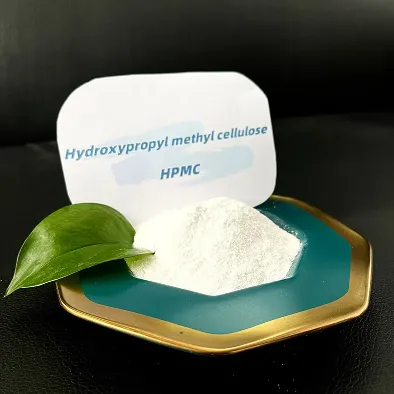
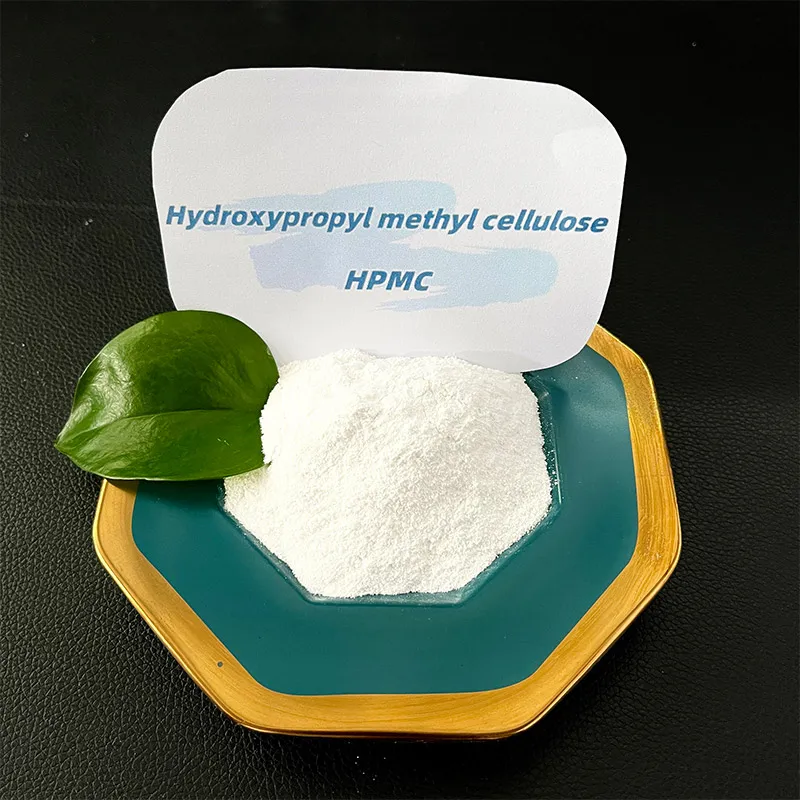
Hydroxypropyl Methylcellulose (HPMC), widely recognized in industrial and pharmaceutical sectors, ha


